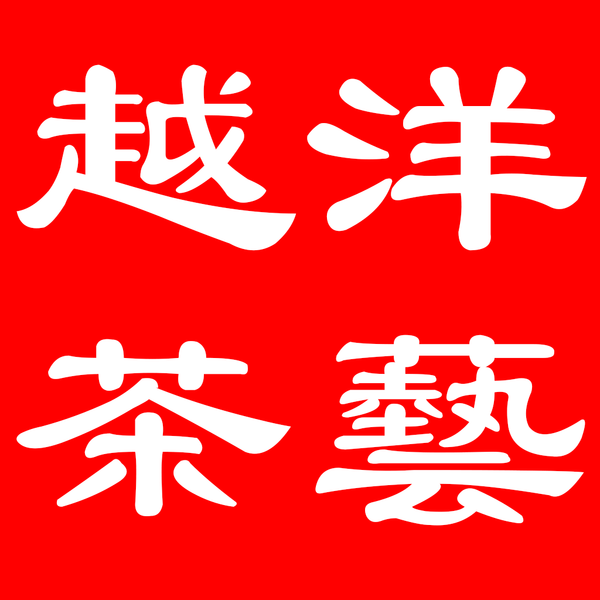

Calligraphy, as an art form of writing, has been praised throughout the history of China. Both Chinese painting and calligraphy evolved using almost identical tools: the brush and ink.
A Distinctive Visual Form
Chinese written language began developing more than 3,000 years ago. Chinese characters have long been revered—not only because literacy was rare, but also because of the deep meaning and visual aesthetics embodied in each character.
The Importance of Words and Cultural Roots
Since more than 3,000 years ago, Chinese culture has evolved alongside its written language. Oracle bone script is known as the first and oldest form of Chinese writing. During the late Shang dynasty (1600–1100 BC), large quantities of ox and sheep scapulae were used to engrave oracle bone script, recording the pyromantic divinations of the royal house.
The Tools: Brush and Paper
Evidence confirms that brushes were used in ancient China much earlier than calligraphy became established as a serious art form. The ancient brush had a configuration similar to today's—a bundle of animal hair inserted into a tube. Then came one of China's major technological contributions: the invention of paper, which provided the premise for calligraphy to become one of the most praised art forms.
Types and Visual Appreciation
Chinese written words consist of thousands of different characters, each with its own unique meaning and visual form. Within such a rich yet restrictive system, calligraphy demands that the viewer focus intensely on every detail—retracing the scenes and momentum hidden within. Every touch of the brush tip, every stroke movement, whether the brush was used with great delicacy or vigorous energy—all these subtle nuances must be processed with care. They remind the viewer of the moment when the calligraphy master created the work. Even if the viewer cannot read Chinese, they can still feel the vibes hidden within the masterpiece.
Why Calligraphy Became So Prized
The education system of ancient times is also responsible for calligraphy's high status. People who knew how to write and read were extremely rare and precious. The imperial examinations were extraordinarily difficult, with five tiers of filtering; only three jinshi (advanced scholars) would be allowed to work directly in the palace. Everyone was taught to read and write using the same procedures. Their learning focused mainly on mastering Chinese literature, classical writings, and the minds of ancient masters. Since the exams emphasized literature, calligraphy became a skill that every educated person had to master.